Classic French Butter Cake
Classic French Butter Cake: The Ultimate Coffee Break Treat
In the pantheon of French desserts, there are the intricate, multi-layered patisserie creations that require a degree in engineering to construct, and then there are the humble, rustic cakes that define the soul of French home cooking. This French Butter Cake (often reminiscent of a Gâteau Mémé or a simplified Gâteau Nantais) belongs firmly to the latter category. It is unpretentious, deeply comforting, and relies on the holy trinity of baking: butter, sugar, and eggs.
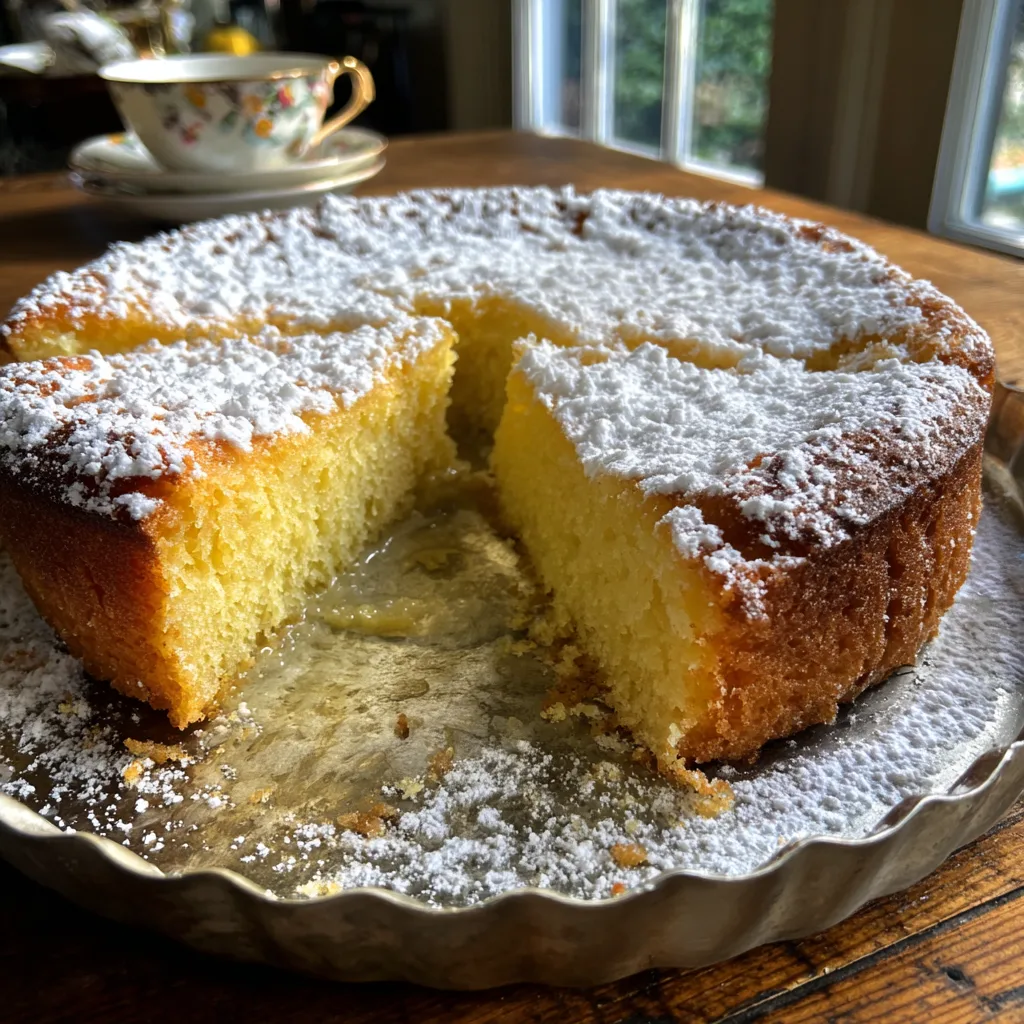
If you have been searching for that perfect “something” to serve alongside your afternoon coffee or Sunday brunch, your search ends here. This cake doesn’t need frosting, filling, or fancy decoration. Its beauty lies in its golden, crackly crust—dusted generously with powdered sugar—and its dense, moist interior that melts on your tongue. It is the kind of cake that tastes even better the next day, making it the ultimate make-ahead treat for busy hosts.
Why This Cake is Your New Go-To
We often overcomplicate dessert. We think we need chocolate ganache or fruit reductions to impress. But the French know that luxury is often found in simplicity, provided the ingredients are exceptional. Here is why this butter cake will earn a permanent spot in your recipe binder:
- Pantry Staples: You likely have every single ingredient in your kitchen right now. No emergency grocery runs required.
- Texture Heaven: It strikes the perfect balance between a pound cake and a sponge cake. It is dense enough to be satisfying but light enough to not feel heavy.
- Versatility: While it is perfect on its own, it also serves as a blank canvas. Serve it with fresh berries, a dollop of crème fraîche, or a drizzle of caramel.
- The “Crust”: The high sugar content creates a delicate, meringul-like crust on top that shatters when you slice it, contrasting beautifully with the soft crumb inside.
The Secret: It’s All About the Butter
As the name suggests, butter is the star of the show. In France, butter (beurre) is not just a cooking fat; it is a flavor agent. Because there are so few ingredients in this recipe, the quality of your butter will dictate the final taste of the cake.
If you can, opt for a high-fat European-style butter (look for 82% butterfat or higher). These butters contain less water and more milk solids, resulting in a richer flavor and a more tender crumb. Salted butter is also a fantastic option here—the salt helps cut through the sweetness and adds a savory depth that is characteristic of Breton-style baking.
Ingredients You Will Need
The Basics:
Rustic French Butter Cake
Ingredients
Equipment
Method
- Preheat oven to 350°F (175°C). Grease and flour a 9-inch round cake pan.
- In a large bowl, cream together softened butter and sugar until pale and fluffy (3-5 minutes).
- Beat in eggs one at a time, followed by the vanilla extract.
- In a separate bowl, whisk together flour, baking powder, and salt.
- Gradually add dry ingredients to the wet mixture, mixing until just combined. Do not overmix.
- Pour batter into the prepared pan and smooth the top.
- Bake for 40-50 minutes, or until a toothpick inserted into the center comes out clean.
- Cool in pan for 10 minutes, then transfer to a wire rack to cool completely.
- Dust generously with powdered sugar before serving.
Notes
- Unsalted Butter: 1 cup (2 sticks), softened to room temperature. If using salted butter, skip the additional salt in the recipe.
- Granulated Sugar: 1 1/4 cups. This creates the structure and the crust.
- Eggs: 4 large eggs, room temperature. Cold eggs can curdle the batter, so set them out early!
- All-Purpose Flour: 2 cups. Spoon and level it to avoid a dense, dry cake.
- Baking Powder: 1 teaspoon. For just the right amount of lift.
- Salt: 1/2 teaspoon (if using unsalted butter).
The Flavor Enhancers:
- Vanilla Extract: 2 teaspoons. Use pure vanilla, not imitation.
- Almond Extract (Optional): 1/2 teaspoon. This gives it that authentic French bakery aroma.
- Powdered Sugar: For dusting the top.
Step-by-Step Instructions
Phase 1: Preparation
- Preheat: Set your oven to 350°F (175°C). Ensure your oven rack is in the center position for even browning.
- Prep the Pan: Grease a 9-inch round cake pan or springform pan generously with butter. Dust it with flour, tapping out the excess. Alternatively, line the bottom with parchment paper for guaranteed release.
Phase 2: The Batter
- Creaming: In a large mixing bowl (or stand mixer fitted with the paddle attachment), beat the softened butter and granulated sugar together on medium-high speed. Do this for at least 3–5 minutes. You want the mixture to look pale yellow and fluffy. This step aerates the butter, which is crucial for the cake’s lift.
- Add Eggs: Add the eggs one at a time, beating well after each addition. Scrape down the sides of the bowl to ensure everything is incorporated.
- Flavor: Mix in the vanilla extract (and almond extract if using).
- Dry Ingredients: In a separate small bowl, whisk together the flour, baking powder, and salt.
- Combine: Turn the mixer to low speed. Gradually add the dry ingredients to the wet mixture. Mix only until the flour disappears. Do not overmix! Overmixing develops gluten and will make your tender cake tough.
Phase 3: Bake & Serve
- Fill: Pour the thick batter into your prepared pan. Use a spatula to smooth the top.
- Bake: Bake for 40–50 minutes. The top should be golden brown and slightly cracked. A toothpick inserted into the center should come out clean or with a few moist crumbs attached.
- Cool: Let the cake cool in the pan for about 10–15 minutes. This allows the structure to set. Then, run a knife around the edges and invert it onto a wire rack to cool completely.
- Garnish: Once cool, dust heavily with powdered sugar. Slice into wedges and serve.
Tips for the Perfect French Cake
Room Temperature Ingredients:
This cannot be stressed enough. If your butter is too cold, it won’t cream properly. If your eggs are cold, they will shock the butter and cause the batter to look curdled. If you are in a rush, put the eggs in a bowl of warm water for 5 minutes to take the chill off.
The “Almond” Variation:
To make this more like a Gâteau Nantais, substitute 1/2 cup of the all-purpose flour with 1/2 cup of almond flour. The almond flour adds moisture and a lovely nutty texture that pairs perfectly with the butter.
Storage:
This cake is excellent for storing. Keep it in an airtight container at room temperature for up to 4 days. In fact, many French home cooks believe it tastes best on day two, as the butter has had time to permeate the crumb fully.
Common Troubleshooting
Why is my cake dry?
You likely added too much flour. When measuring flour, fluff it up with a spoon, scoop it into the cup, and level it off with a knife. Dipping the cup directly into the flour bag packs it down, leading to too much flour per cup.
Why did my cake sink in the middle?
This usually happens if the oven door was opened too early during baking (letting heat escape) or if the cake was underbaked. Resist the urge to peek until at least the 35-minute mark.
Serving Suggestions
While this cake is marketed as a “coffee cake,” it is elegant enough for a dinner party dessert. Here are a few ways to dress it up:
- Summer: Serve with macerated strawberries and whipped cream.
- Autumn: Sauté apple slices in butter and cinnamon and pile them on top.
- Adults Only: Poke holes in the warm cake and drizzle with a syrup made from sugar, water, and dark rum.
This French Butter Cake is a reminder that you don’t need to be a pastry chef to create something magical. With good butter and a little patience, you can bring a slice of the French countryside into your own kitchen.