Crispy Salmon & Rice Bowl
Crispy Salmon & Rice Bowl: The Ultimate 20-Minute Dinner Upgrade
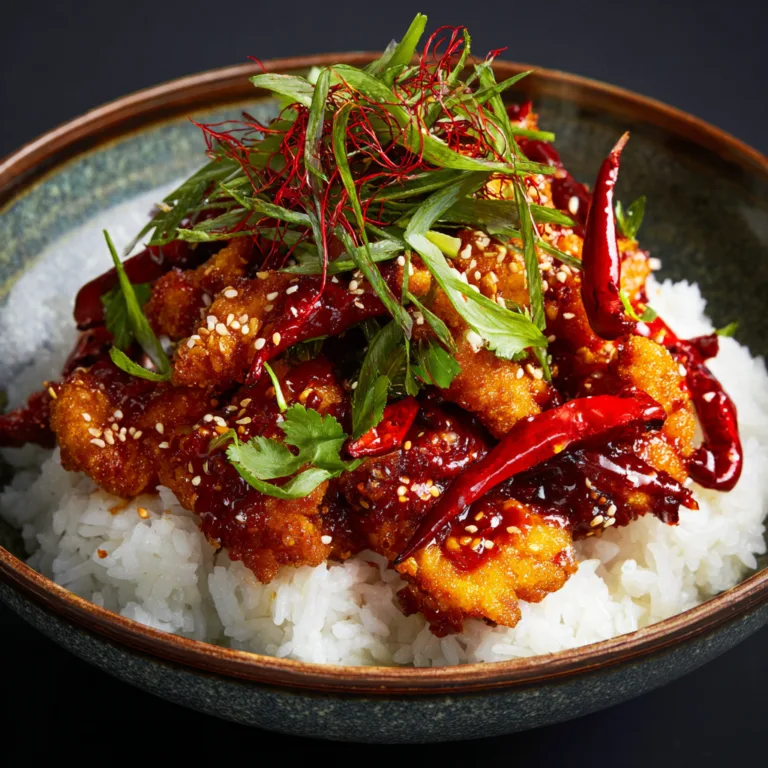
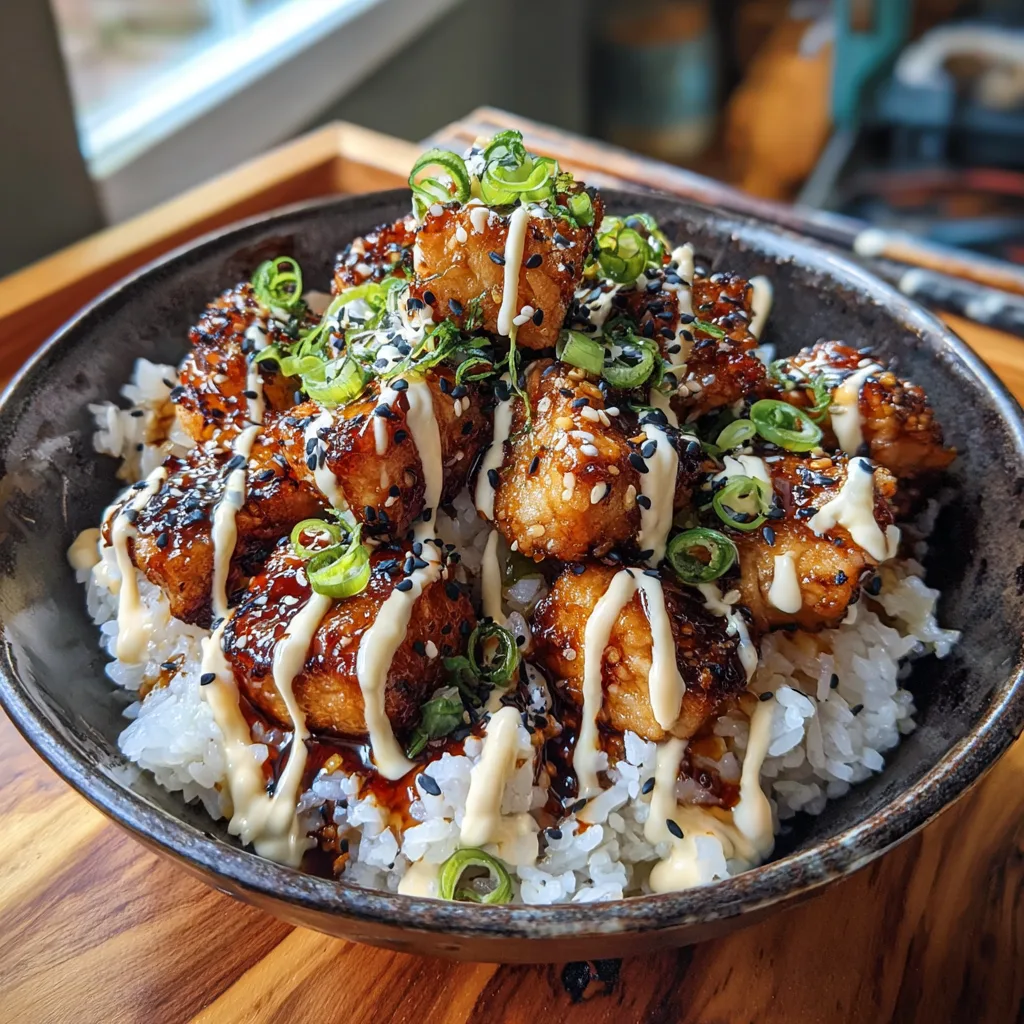
There is a reason why salmon rice bowls took over the internet and haven’t left. They represent the perfect intersection of ease, flavor, and nutrition. Today, we are mastering the art of the Crispy Salmon & Rice Bowl. This isn’t just a piece of fish on a bed of grain; it is a textural masterpiece featuring golden, caramelized salmon cubes, fluffy jasmine rice, and a drizzle of creamy, spicy sauce that ties it all together.
Whether you are looking for a post-workout meal packed with protein and healthy fats, or a quick weeknight dinner that feels like takeout but costs a fraction of the price, this recipe is your answer. The secret lies in cutting the salmon into bite-sized cubes. This maximizes the surface area, allowing more room for that sticky, savory glaze to cling to, and ensuring every single bite has that satisfying “crisp” on the edges while remaining tender and buttery on the inside.
Forget dry, overcooked filets. By cooking the salmon quickly at a high heat, we lock in moisture. When paired with fresh toppings like crunchy cucumbers, creamy avocado, and the bite of fresh scallions, you have a bowl that hits every flavor note: salty, sweet, spicy, and umami.
Why You Need This Recipe in Your Rotation
Speed and Simplicity: From chopping board to dinner table, this meal takes about 20 minutes. It is faster than ordering delivery and significantly healthier.
Nutrient Dense: Salmon is an incredible source of Omega-3 fatty acids, which are essential for brain health and inflammation reduction. Paired with rice for energy and fresh vegetables for fiber, it is a balanced macro-friendly meal.
Versatility: This recipe is a chameleon. Don’t have rice? Use quinoa or cauliflower rice. Don’t like spicy mayo? Swap it for a ginger-soy vinaigrette. It serves as a perfect base for whatever vegetables you have withering in your crisper drawer.
Ingredients Needed
The beauty of this bowl is that it relies on pantry staples to create complex flavors.
Crispy Salmon & Rice Bowl
Ingredients
Equipment
Method
- Prepare rice according to package instructions.
- Cut salmon into 1-inch cubes. Whisk soy sauce, honey, sesame oil, garlic, and ginger in a bowl.
- Toss salmon cubes in the marinade and let sit for 5-10 minutes.
- Heat oil in a large skillet over medium-high heat. Add salmon cubes (do not overcrowd) and sear for 2-3 minutes per side until golden and cooked through.
- Mix mayonnaise and sriracha in a small bowl to make the spicy drizzle.
- Assemble bowls with rice, cooked salmon, and avocado. Drizzle with spicy mayo.
- Garnish with green onions and sesame seeds before serving.
Notes
- Salmon Fillets: Skinless is easier for cubing, but skin-on works if you enjoy the extra crispiness. Look for fresh Atlantic or Sockeye salmon.
- Jasmine or Sushi Rice: Short or medium-grain rice works best here as it clumps slightly, making it easier to eat with chopsticks and soaking up the sauce better.
- Soy Sauce (or Tamari): The salty base of our marinade and glaze. Use Tamari if you need this to be gluten-free.
- Honey or Maple Syrup: This provides the sweetness necessary to caramelize the salmon and balance the saltiness of the soy.
- Sesame Oil: Adds that distinct nutty aroma that defines Asian-inspired cuisine.
- Garlic & Ginger: Freshly grated is best for the marinade to punch up the flavor.
- Mayonnaise (Kewpie recommended): Japanese Kewpie mayo is richer and creamier, but regular mayonnaise works too.
- Sriracha: To create the spicy mayo drizzle.
- Toppings: Green onions (scallions), sesame seeds, sliced avocado, and perhaps some edamame or cucumber.
Step-by-Step Instructions
1. Prepare the Rice
Rinse your rice under cold water until the water runs clear. This removes excess starch and prevents it from becoming gummy. Cook according to package instructions (usually a 1:1.5 ratio of rice to water). Fluff with a fork once done.
2. Cube and Marinate the Salmon
Pat the salmon fillets dry with a paper towel. Cut them into uniform 1-inch cubes. In a medium bowl, whisk together soy sauce, honey, sesame oil, grated garlic, and ginger. Toss the salmon cubes in the marinade and let them sit for 5–10 minutes while the pan heats up.
3. Sear the Salmon
Heat a large non-stick skillet or cast-iron pan over medium-high heat with a drizzle of oil. Once hot, add the salmon cubes in a single layer. Do not overcrowd the pan; if you do, the salmon will steam instead of sear. Cook for 2-3 minutes undisturbed to get a crust, then flip and cook for another 1-2 minutes until cooked through and the glaze has thickened and coated the fish.
4. Make the Spicy Sauce
While the salmon rests, mix the mayonnaise, Sriracha, and a teaspoon of soy sauce in a small bowl. Add a squeeze of lime juice if you want a bit of acidity.
5. Assemble the Bowl
Scoop a generous portion of steaming rice into a bowl. Top with the crispy glazed salmon cubes. Arrange your cucumber, avocado, or other veggies on the side.
6. Garnish and Serve
Drizzle the spicy mayo over the salmon and rice. Sprinkle generously with toasted sesame seeds and chopped green onions. Enjoy immediately while the contrast between the hot fish and cool toppings is at its peak.
Tips for Perfectly Crispy Salmon
Dry the Fish: Moisture is the enemy of crispiness. Even though you are marinating it, starting with dry fish helps. Alternatively, you can coat the marinated cubes in a light dusting of cornstarch before frying to create an extra crunchy shell.
High Heat is Key: You want to sear the outside quickly without overcooking the inside. Salmon cooks fast. If the heat is too low, the fish will dry out before it gets brown.
The Air Fryer Method: To make this even easier (and slightly lower in oil), place the marinated cubes in an air fryer basket in a single layer. Air fry at 400°F (200°C) for 6–8 minutes, shaking the basket halfway through. This method yields incredible caramelization with very little mess.
Variations to Try
1. The “Emily Mariko” Style
Inspired by the viral TikTok trend, mash your leftover cooked salmon with the rice, place an ice cube on top, cover with parchment paper, and microwave for a minute. The ice steams the rice perfectly. Mix in soy sauce, sriracha, and mayo, and eat it with roasted seaweed snacks.
2. Low Carb / Keto Version
Swap the white rice for cauliflower rice or a bed of sautéed greens (spinach or bok choy). Use a keto-friendly sweetener (like erythritol or monk fruit) in the glaze instead of honey.
3. Tropical Twist
Add chunks of fresh mango or pineapple to the bowl. The sweetness of the fruit pairs exceptionally well with the spicy mayo and salty soy glaze.
4. The Veggie-Packed Bowl
Add steamed broccoli, shelled edamame, and pickled carrots to the bowl to turn this into a nutritional powerhouse. It adds color, crunch, and fiber.
Serving Suggestions
This dish is a complete meal in a bowl, but if you want to expand the spread, consider these sides:
- Miso Soup: A warm cup of miso soup is the traditional starter that prepares the palate.
- Seaweed Salad: The cold, crunchy texture of wakame salad compliments the hot salmon perfectly.
- Gyoza: Pan-fried dumplings make for a hearty appetizer.
- Kimchi: A side of fermented kimchi adds a probiotic boost and a spicy kick that cuts through the richness of the mayo.
Storage and Reheating
Fridge: Leftovers can be stored in an airtight container for up to 3 days.
Reheating: If possible, store the cold toppings (avocado, cucumber) separately. Reheat the salmon and rice in the microwave or a skillet. If using a microwave, place a damp paper towel over the bowl to prevent the rice from drying out.
Freezing: Cooked salmon freezes okay, but the texture will change. We recommend eating this fresh or refrigerating only.
Fun Facts: The Rise of the Rice Bowl
The concept of “donburi” (Japanese rice bowl dishes) dates back to the Edo period in Japan (1603–1867). It was created as a convenient meal for busy people—sauce, protein, and vegetables all served over rice in one bowl. The modern “salmon rice bowl” is a fusion evolution of this concept, blending traditional Japanese flavors with Western preferences for seared salmon and creamy sauces like spicy mayo.
This dish captures the essence of “umami”—the fifth taste. The soy sauce provides glutamate, the seared fish provides inosinate, and when combined, the flavor intensity is magnified, making this simple dish taste incredibly complex and satisfying.