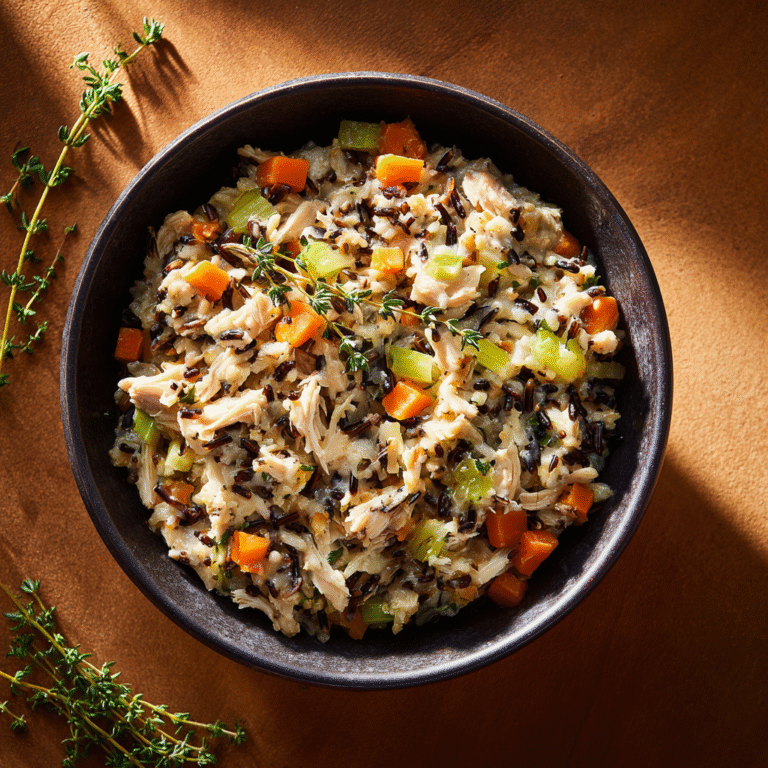
High Protein Cottage Cheese Chicken Salad
High Protein Cottage Cheese Chicken Salad: The Creamy, Macro-Friendly Lunch Revolution
If you have been scrolling through social media lately, you have likely noticed that cottage cheese is having a major moment. It has graduated from the diet plates of the 1980s to becoming the superstar ingredient of modern, high-protein cooking. Today, we are diving deep into one of the most delicious, satisfying, and muscle-building lunches you can make: High Protein Cottage Cheese Chicken Salad. This isn’t just a healthy alternative; it is a texture-rich, flavor-packed upgrade to the classic mayonnaise-laden version.
Packed with a staggering 40 grams of protein per serving, this recipe completely transforms the humble chicken salad. By swapping traditional mayo for whipped or whole curd cottage cheese, you achieve that luxurious, velvety creaminess we all crave, but with a fraction of the calories and a massive boost in nutrition. Whether you are a fitness enthusiast looking to hit your macros, a busy parent needing a sustaining lunch, or just someone who loves a good savory bowl, this recipe is a game-changer.
Why You Will Love This Recipe
There are countless reasons to add this dish to your weekly rotation. First and foremost is the nutritional profile. Traditional chicken salad can be deceptively high in fat due to the mayonnaise base. While fats are essential, a mayo-heavy salad can leave you feeling sluggish. This cottage cheese version provides a clean energy burn, keeping you full for hours thanks to the slow-digesting casein protein found in the cheese.
Secondly, the texture is incredible. If you blend the cottage cheese (which we highly recommend for texture skeptics), it becomes indistinguishable from a rich, tangy crema or heavy Greek yogurt. It coats the shredded chicken perfectly, clinging to the crunchy celery and sweet grapes, ensuring every bite is moist and flavorful. It is glossy, wet, and deeply satisfying.
Finally, it is the ultimate meal prep champion. Unlike salads with delicate greens that wilt, this mixture actually tastes better after sitting in the fridge for a few hours as the flavors meld. You can make a big batch on Sunday and enjoy high-protein lunches through Wednesday without a drop in quality.
Ingredients Needed
To make this ultra-creamy, high-protein masterpiece, you need a few simple, wholesome ingredients. This list is designed to balance savory, sweet, and crunchy elements.
High Protein Cottage Cheese Chicken Salad
Ingredients
Equipment
Method
- If not already cooked, poach chicken breasts in boiling water for 20 minutes until fully cooked (165°F), then shred with forks.
- Wash and chop the celery, slice the grapes in half, and thinly slice the green onions.
- For a smooth consistency, place the cottage cheese in a blender and pulse until creamy and lump-free. (Optional step)
- In a large bowl, whisk together the cottage cheese, Dijon mustard, lemon juice, garlic powder, onion powder, salt, and pepper.
- Add the shredded chicken, celery, grapes, and onions to the bowl.
- Toss well until all ingredients are evenly coated in the creamy dressing.
- Taste and adjust seasoning if needed. Serve immediately or chill for 30 minutes for better flavor development.
Notes
- Chicken Breast (Cooked and Shredded): The backbone of the dish. You can use rotisserie chicken for speed, or poach your own breasts to control the sodium levels.
- Cottage Cheese: The star of the show. We recommend using 4% milkfat (full fat) for the creamiest texture and richest flavor, though 2% works well too. Good Culture is a popular brand for its thick consistency.
- Celery: Essential for that classic crunch. It breaks up the soft textures of the chicken and cheese.
- Red Grapes: These add a burst of natural sweetness that contrasts beautifully with the savory, tangy dressing.
- Dijon Mustard: A small amount adds depth, tang, and a little bit of that classic “deli salad” flavor profile.
- Green Onions (Scallions): For a mild, fresh onion bite that doesn’t overpower the other flavors.
- Garlic Powder & Onion Powder: These dry seasonings distribute evenly throughout the creamy dressing.
- Fresh Dill (Optional): Adds a pop of fresh, herbal brightness.
- Salt and Black Pepper: To taste. Freshly cracked black pepper is particularly good here.
- Lemon Juice: A squeeze of acid wakes up all the heavy dairy flavors.
Step-by-Step Instructions
Follow these simple steps to create the perfect bowl. The key is in the preparation of the dressing to ensure it isn’t too watery.
1. Prepare the Chicken
If you are cooking from raw, poach your chicken breasts in salted water or chicken broth until they reach an internal temperature of 165°F (74°C). Let them cool slightly, then shred them using two forks or a stand mixer with a paddle attachment. If using rotisserie chicken, remove the skin and shred the meat. You want relatively fine shreds so the sauce coats everything evenly.
2. Prep the Vegetables
Wash your celery and grapes thoroughly. Slice the celery into small, bite-sized dice. Slice the red grapes in half (or quarters if they are very large). Thinly slice the green onions, using both the white and light green parts.
3. Whip the Cottage Cheese (Optional but Recommended)
For the smoothest, most mayo-like consistency, place your cottage cheese into a small blender or food processor. Pulse it for 15-30 seconds until it is completely smooth and creamy. If you enjoy the texture of cottage cheese curds, you can skip this step and use it straight from the tub.
4. Make the Dressing
In a large mixing bowl, combine the cottage cheese (whipped or whole), Dijon mustard, lemon juice, garlic powder, onion powder, salt, and black pepper. Whisk vigorously until the spices are well incorporated. Taste and adjust—if you like it tangier, add more lemon or mustard.
5. Assemble the Salad
Add the shredded chicken, diced celery, halved grapes, and green onions to the bowl with the dressing. Fold everything together gently using a spatula. Ensure that every strand of chicken is coated in the glossy, white sauce. The mixture should look wet and saturated, not dry.
6. Chill and Serve
While you can eat it immediately, letting it chill in the refrigerator for at least 30 minutes allows the flavors to marry and the dressing to thicken slightly. Serve cold.
Tips for the Perfect Texture
The “Wet” Factor: One of the hallmarks of a good chicken salad is that appetizing, glossy sheen. To achieve this without it becoming watery, make sure your chicken is dry before mixing. If you poached the chicken, let it drain well. Wet chicken plus wet cottage cheese can lead to a soupy bottom of the bowl.
To Blend or Not to Blend: This is the most common question. Blending the cottage cheese breaks down the curds, releasing the whey and creating a texture identical to sour cream or thick mayonnaise. If you are serving this to picky eaters or children who claim they “hate cottage cheese,” blending is the secret weapon. They will never know the difference.

Crunch Control: If you plan to store this for a few days, keep your celery chunks slightly larger. Finely minced celery can release water over time, while larger chunks retain their crunch better.
Variations to Keep It Exciting
Once you have mastered the base recipe, the sky is the limit. Here are a few flavor profiles to rotate through so you never get bored:
1. Buffalo Ranch Protein Bowl
Omit the grapes. Add 2 tablespoons of Frank’s RedHot buffalo sauce and a teaspoon of ranch seasoning powder to the cottage cheese mixture. Top with blue cheese crumbles. This variation is spicy, savory, and incredibly addictive.
2. Curry Cashew Crunch
Add 1 teaspoon of yellow curry powder and a pinch of turmeric to the dressing. Swap the walnuts or pecans for roasted cashews and add a handful of raisins or dried cranberries instead of grapes. This gives a sweet-and-savory vibe reminiscent of coronation chicken.
3. The “Green Goddess”
Blend the cottage cheese with a handful of fresh spinach, basil, and parsley. The dressing will turn a beautiful vibrant green and taste incredibly fresh and herbaceous. Add diced cucumber for extra hydration.
4. Mediterranean Style
Skip the grapes and celery. Mix in chopped kalamata olives, sun-dried tomatoes, diced cucumber, and a sprinkle of feta cheese. Season with dried oregano instead of dill.
Serving Suggestions
This High Protein Cottage Cheese Chicken Salad is incredibly versatile in how it can be served:
- The Low Carb Boat: Serve generous scoops inside large Romaine lettuce leaves or hollowed-out bell pepper halves for a crunch that is entirely vegetable-based.
- The Open-Faced Tartine: Toast a slice of high-fiber sourdough or Ezekiel bread. Pile the chicken salad on top and finish with microgreens or sliced radish.
- The Dip Method: Treat the salad as a chunky dip and use high-protein crackers, cucumber rounds, or carrot chips to scoop it up.
- The Stuffed Avocado: Halve a large avocado, remove the pit, and fill the cavity with a mountain of chicken salad. This adds healthy fats to your high-protein meal, making it incredibly satiating.
Nutritional Spotlight: Why Cottage Cheese?
Cottage cheese is a nutritional powerhouse often overlooked in favor of Greek yogurt, but it deserves the spotlight. A half-cup serving of low-fat cottage cheese contains roughly 14 grams of protein. It is rich in B vitamins, calcium, phosphorus, and selenium.
The primary protein in cottage cheese is casein. Unlike whey protein, which digests very quickly, casein is a slow-digesting protein. This means it releases amino acids into your bloodstream slowly over several hours. This makes this chicken salad an excellent lunch choice because it prevents that mid-afternoon energy crash and keeps hunger pangs at bay until dinner.
Storage and Meal Prep FAQ
How long does it last?
Stored in an airtight container, this salad stays fresh in the refrigerator for 3 to 4 days. You may notice a little liquid separation (whey) after day two. This is normal; just give it a good stir before serving, and the creamy texture will return.
Can I freeze it?
No, we do not recommend freezing this dish. Cottage cheese changes texture drastically when frozen and thawed, becoming grainy and separated. The celery and grapes will also lose their crispness and become mushy. This dish is best enjoyed fresh.
How can I increase the protein even more?
If 40g isn’t enough, you can stir in unflavored protein powder or collagen peptides into the cottage cheese dressing before mixing. Alternatively, chop up hard-boiled egg whites and fold them in for an extra protein boost without altering the flavor profile.
Cultural Context: The Evolution of Chicken Salad
Chicken salad has been an American staple since the mid-19th century. Originally created as a way to use up leftover roast chicken, it was one of the first “convenience foods” in American culinary history. The 1863 cookbook The Carolina Housewife contains one of the earliest known recipes.
Traditionally, it was a heavy, mayonnaise-based dish often served at ladies’ luncheons and tearooms. Over the decades, it evolved. The 1980s saw the introduction of fruits like grapes and apples (the Waldorf influence). Today, in the era of macro-tracking and functional eating, the shift toward cottage cheese represents a modern desire to keep comfort foods in our diet while optimizing them for health and performance. We aren’t giving up the creamy, savory indulgence; we are just making it work harder for our bodies.
Enjoy this modern twist on a classic. It’s creamy, crunchy, sweet, savory, and undeniably good for you.