Cinnamon Vanilla Custard Pie
Christmas Eve Cinnamon-Vanilla Custard Pie: Creamy Holiday Dessert Magic
There is a specific kind of silence that falls over a kitchen on Christmas Eve. It isn’t an empty silence; it is a warm, expectant hush filled with the scent of simmering cider, pine needles, and the rich, buttery aroma of pastry baking in the oven. At the center of this holiday tableau sits the Christmas Eve Cinnamon-Vanilla Custard Pie. This isn’t just a dessert; it is a vessel for nostalgia, a creamy, spiced masterpiece that bridges the gap between the frantic energy of holiday preparations and the cozy serenity of Christmas morning.
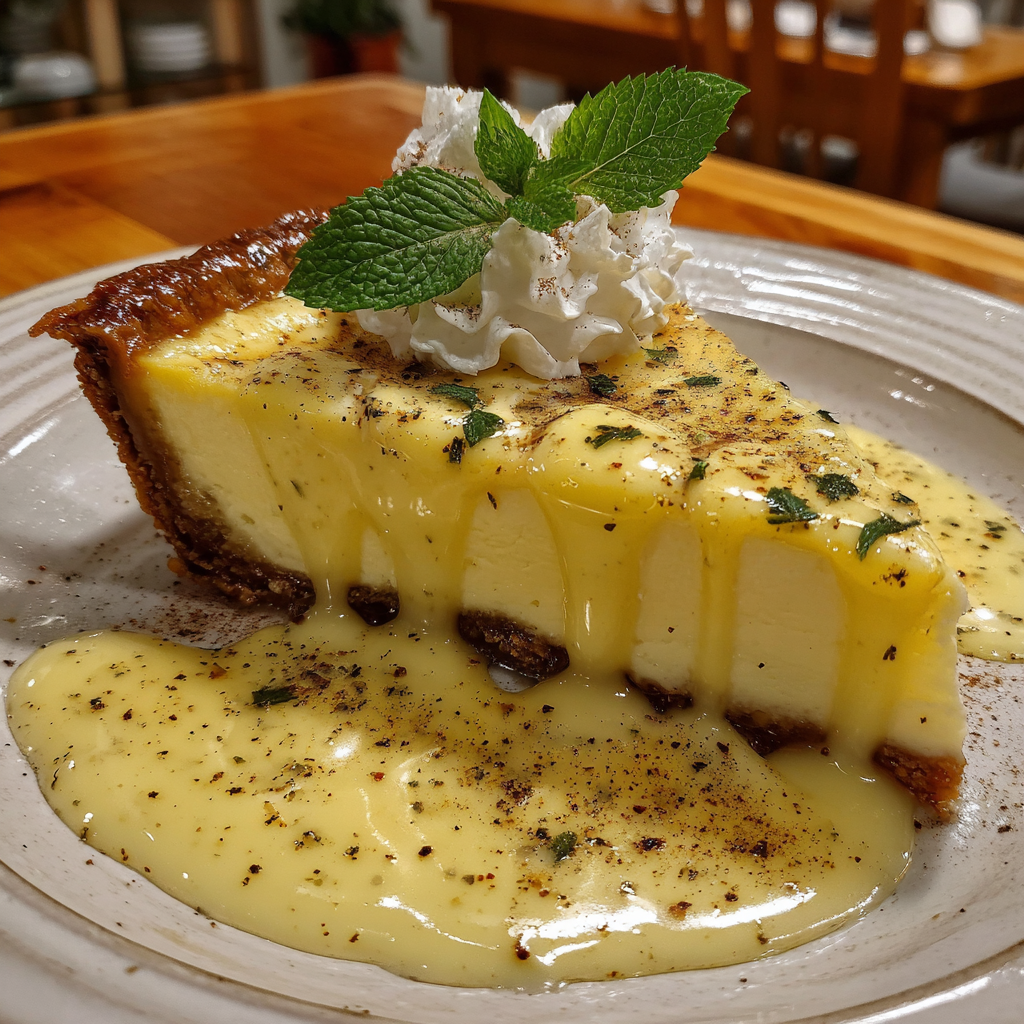
If you are looking for a dessert that feels like a warm hug, this is it. While pumpkin and pecan pies often steal the spotlight during the autumn months, the classic custard pie is the unsung hero of the winter holidays. It is lighter than a dense chocolate cake but far more indulgent than a fruit tart. With its trembling, silky filling speckled with aromatic cinnamon and fragrant vanilla bean, this pie captures the very essence of “sugar and spice and everything nice.”
In this comprehensive guide, we will walk through every step of creating this holiday magic. From achieving the perfect flaky crust that won’t get soggy to tempering your eggs for the smoothest custard imaginable, this recipe is designed to be fool-proof for the home baker while delivering restaurant-quality results.
Why This Recipe Works
Custard pies have a reputation for being finicky. They can crack, weep, or curdle if looked at the wrong way. However, this recipe uses a few specific techniques to ensure success every time.
The Balance of Fats: We use a combination of heavy cream and whole milk. Using only cream can make the mouthfeel too greasy, while using only milk lacks structure. This specific ratio creates a texture that is firm enough to slice but melts instantly on the tongue.
The Spice Infusion: Rather than just whisking cold spices into the eggs, we infuse the warm milk mixture with cinnamon and vanilla. This blooms the spices, releasing their essential oils throughout the liquid before it even hits the oven. This results in a depth of flavor that surface-level seasoning simply cannot achieve.
The Pre-Bake Strategy: No one likes a soggy bottom, especially with a wet filling like custard. We utilize a blind-baking method for the crust to ensure it stays crisp and flaky, providing a necessary textural contrast to the soft interior.
Ingredients Checklist
To create the perfect Christmas Eve Cinnamon-Vanilla Custard Pie, quality ingredients are paramount. Since this is a simple dessert with few components, there is nowhere for low-quality ingredients to hide.
For the Flaky Butter Crust
- All-Purpose Flour – 1 1/4 cups: The backbone of your crust. Make sure to spoon and level your flour so the dough isn’t too dry.
- Unsalted Butter – 1/2 cup (1 stick): Cold and cubed. The colder the butter, the flakier the crust.
- Granulated Sugar – 1 tablespoon: Just a touch to aid in browning and add a whisper of sweetness.
- Salt – 1/2 teaspoon: Essential for balancing flavor.
- Ice Water – 3 to 5 tablespoons: Keeps the butter cold during mixing.
For the Cinnamon-Vanilla Filling
- Whole Milk – 1 1/2 cups: Do not substitute with skim milk; the fat is needed for stability.
- Heavy Whipping Cream – 1/2 cup: Adds luxurious richness.
- Eggs – 4 large: Use room temperature eggs for easier mixing.
- Granulated Sugar – 3/4 cup: Dissolves cleanly into the custard.
- Vanilla Extract – 2 teaspoons: Or the seeds of one vanilla bean for visual specks.
- Ground Cinnamon – 1 teaspoon: Plus extra for dusting.
- Ground Nutmeg – 1/4 teaspoon: Freshly grated is best.
- Salt – 1/4 teaspoon: Enhances the sweetness.
Step-by-Step Instructions
Phase 1: The Crust
1. Prepare the Dough
In a large bowl, whisk together the flour, sugar, and salt. Cut in the cold, cubed butter using a pastry cutter or two forks until the mixture resembles coarse crumbs with some pea-sized pieces of butter remaining. These butter pockets are the secret to flakes.
2. Hydrate and Chill
Sprinkle ice water over the mixture, one tablespoon at a time, tossing gently with a fork. Stop adding water when the dough just begins to hold together when pinched. Gather into a disk, wrap in plastic wrap, and refrigerate for at least 1 hour.
3. Roll and Shape
On a floured surface, roll the dough into a 12-inch circle. Carefully transfer it to a 9-inch pie dish. Trim the edges and crimp decoratively. Chill the shaped crust for another 15 minutes.
4. Blind Bake
Preheat oven to 400°F (200°C). Line the crust with parchment paper and fill with pie weights (or dried beans). Bake for 15 minutes. Remove the weights and paper, then bake for another 5-7 minutes until the bottom looks dry. Reduce oven temperature to 350°F (175°C).
Phase 2: The Custard Filling
5. Warm the Milk
In a saucepan, gently heat the milk and heavy cream until it is steaming but not boiling. Stir in the vanilla extract, cinnamon, and nutmeg. Remove from heat and let sit for 5 minutes to infuse.
6. Whisk the Eggs
In a separate bowl, whisk together the eggs, sugar, and salt until the mixture is pale yellow and slightly thickened.
7. Temper the Eggs
This is the most critical step. While whisking the eggs constantly, slowly drizzle in about half of the warm milk mixture. This brings the eggs up to temperature gradually so they don’t scramble. Once tempered, whisk in the remaining milk mixture.
8. Bake
Pour the custard into the pre-baked crust. If desired, sprinkle a little extra cinnamon on top. Bake at 350°F (175°C) for 35-45 minutes. The pie is done when the edges are set but the center still has a slight, gelatinous jiggle—like Jell-O. It will continue to set as it cools.
9. Cool and Serve
Let the pie cool completely on a wire rack for at least 3-4 hours before slicing. This rest period allows the custard structure to solidify. Slice and serve with a dollop of whipped cream.
Expert Tips for Perfection
Creating a custard pie is as much about technique as it is about ingredients. Here are a few professional secrets to elevate your baking:
- The “Jiggle” Test: Overbaking is the enemy of smooth custard. If the center of your pie looks completely solid in the oven, it is likely already overcooked and may crack as it cools. Pull it out when the center wobbles slightly.
- Preventing a Soggy Crust: If you are worried about the liquid filling making the crust wet, brush the bottom of the blind-baked crust with a beaten egg white just as it comes out of the oven. The residual heat cooks the egg white, creating an impermeable seal between the pastry and the custard.
- Strain the Custard: Before pouring the custard into the crust, pass it through a fine-mesh sieve. This removes any chalaza (the white stringy part of the egg) or tiny bits of cooked egg, ensuring a texture that is essentially “liquid glass” smooth.
- Room Temperature Ingredients: While your butter for the crust should be ice cold, the eggs for the custard should be at room temperature. This helps them incorporate with the sugar more effectively and creates a more voluminous emulsion.
Variations and Twists
While the classic Cinnamon-Vanilla version is a crowd-pleaser, you can easily adapt this base recipe to suit different palates:
The Eggnog Twist:
Swap 1/2 cup of the milk for commercial or homemade eggnog and add a pinch of ground cloves and extra nutmeg. This makes for the ultimate Christmas flavor bomb.
Caramel Custard:
Substitute the granulated sugar in the filling for brown sugar. This deepens the color to a rich tan and adds molasses notes that pair beautifully with the cinnamon.
Citrus Zest:
Add the zest of one orange to the milk while it heats up. Orange and cinnamon are a classic holiday pairing, and the citrus oils cut through the richness of the cream.
Storage and Freezing
Because of the high dairy and egg content, this pie must be stored in the refrigerator. Cover it loosely with plastic wrap or aluminum foil. It will stay fresh for up to 3 days.
Can you freeze custard pie?
Generally, it is not recommended to freeze custard pie. Upon thawing, the custard tends to separate and “weep” liquid, which ruins the creamy texture and makes the crust soggy. This pie is best enjoyed fresh.
Nutritional Context
This is a holiday indulgence. A slice provides a significant amount of calcium from the milk and protein from the eggs. The cinnamon not only provides flavor but is known for its anti-inflammatory properties and ability to help regulate blood sugar levels, which is a nice bonus during a season of sweets.
The History of Custard Pie
Custard pies have graced tables since the Middle Ages. Originally known as “doucettes” or “darioles,” these medieval tarts were often savory or only mildly sweet. As sugar became more accessible in the 17th and 18th centuries, the sweet custard pie became a staple of English and eventually American cuisine. In the Southern United States, custard pie is a close cousin to the Chess Pie and Buttermilk Pie, proving that simple ingredients like eggs, milk, and sugar can create something truly enduring.
When you bake this Christmas Eve Cinnamon-Vanilla Custard Pie, you are participating in a centuries-old tradition of comfort baking. Whether you serve it after a large holiday feast or enjoy a slice with coffee the next morning while opening gifts, it is sure to become a requested favorite year after year.
Christmas Eve Cinnamon-Vanilla Custard Pie
Ingredients
Equipment
Method
- Mix flour, sugar, and salt. Cut in cold butter until crumbly. Add ice water until dough forms. Chill 1 hour.
- Roll out dough and fit into 9-inch pie plate. Crimp edges and chill again for 15 minutes.
- Preheat oven to 400°F (200°C). Blind bake crust with weights for 15 mins, remove weights, bake 5 mins more. Lower oven to 350°F.
- Heat milk and cream in saucepan with cinnamon and vanilla until steaming. Do not boil.
- Whisk eggs and sugar in a bowl. Slowly pour warm milk mixture into eggs while whisking constantly to temper.
- Pour custard into crust. Bake 35-45 mins until edges set but center jiggles slightly.
- Cool completely on wire rack (3-4 hours) to allow filling to set before slicing.